OPen
Concept

BOXD

Type

University

Year

2026

Scope of Work

Art Direction | Website Design

Role

UX Researcher and Designer

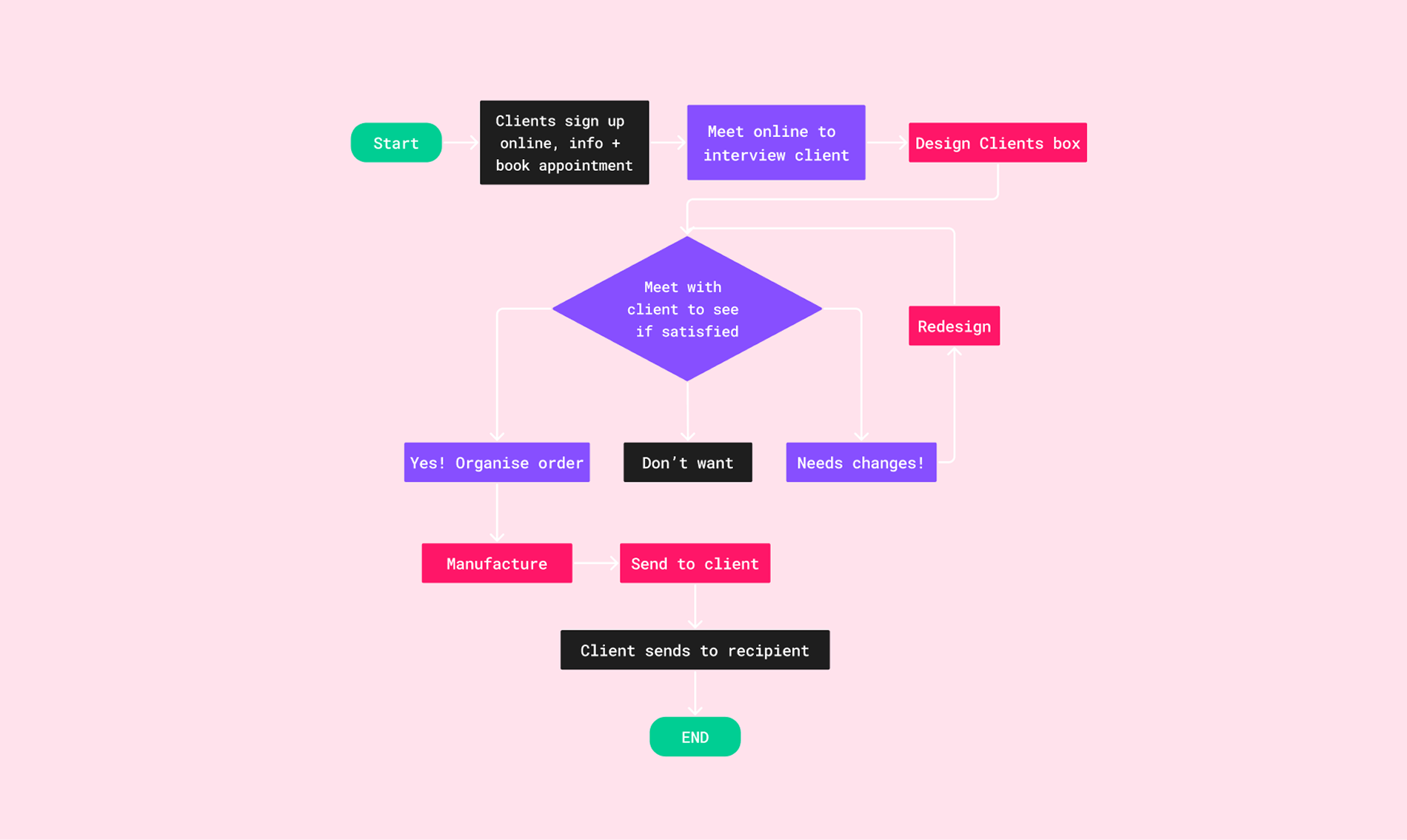
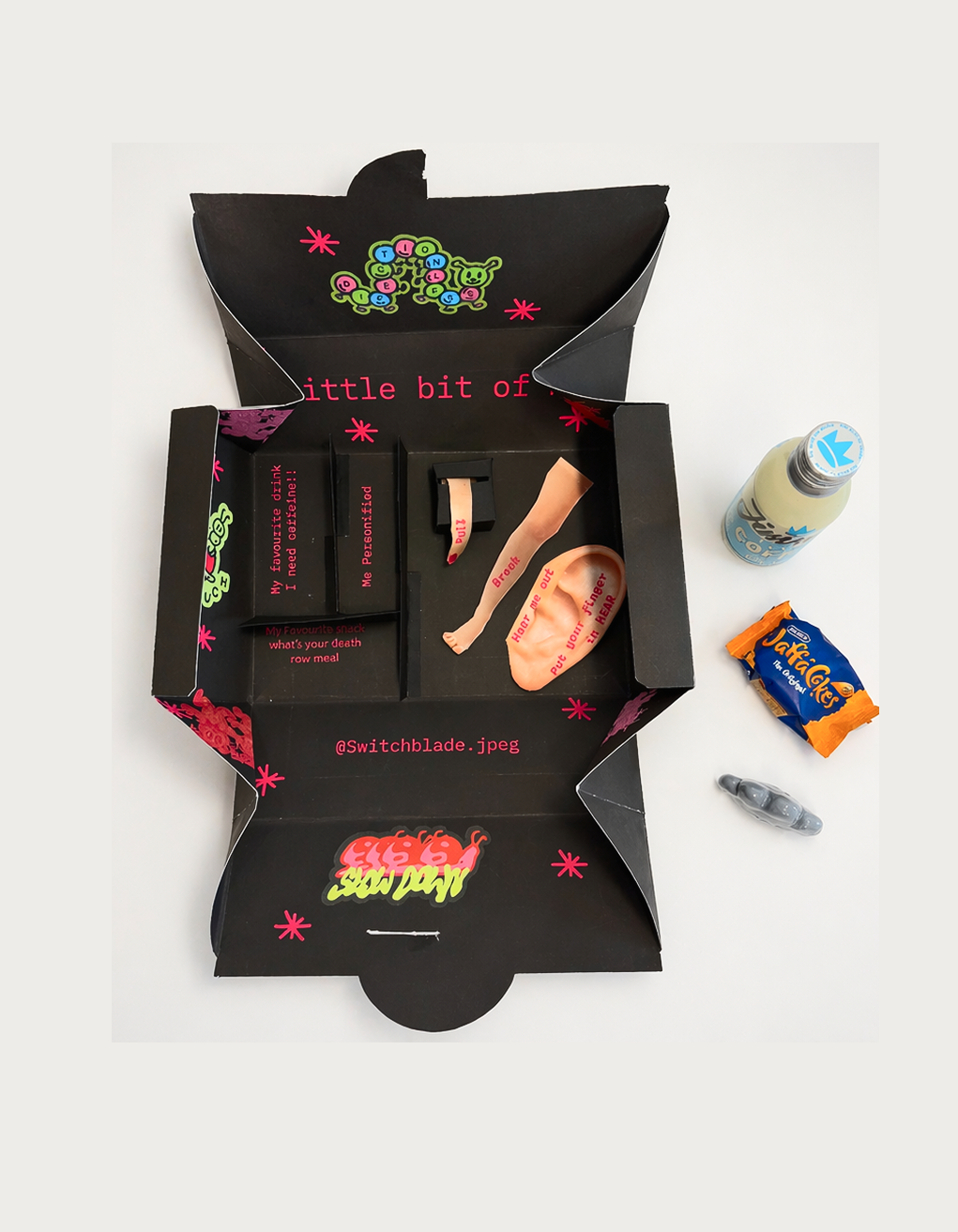
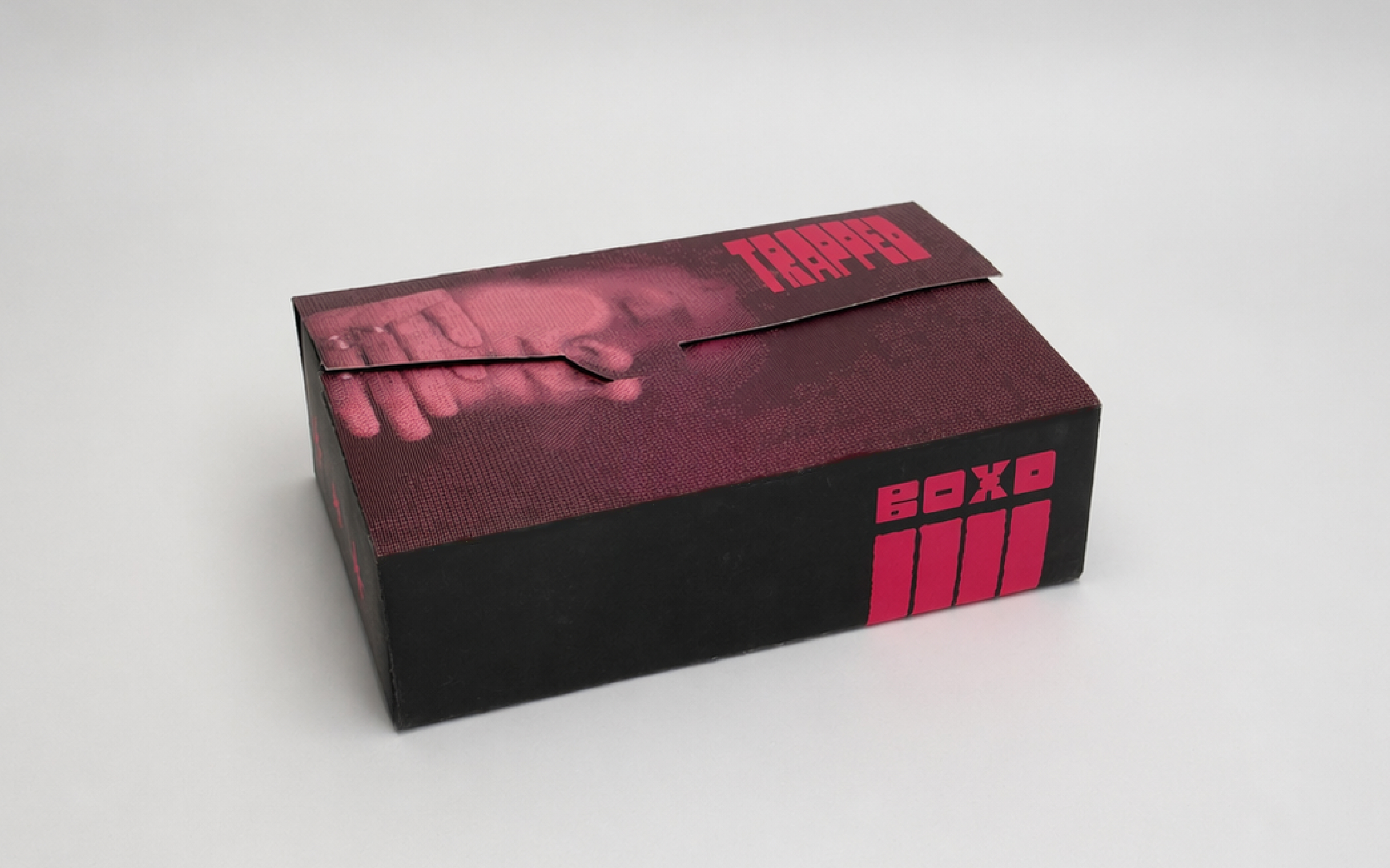
A physical pre-workshop onboarding box that helps corporate clients shed their professional mindset and arrive emotionally ready for team-building workshops before the session begins. &US, a corporate workshop and team-building consultancy, identified a recurring problem: clients struggled to let go of a corporate mindset once workshops began, meaning facilitators spent valuable session time simply getting people to open up. The brief called for a solution that made heartfelt, engaging communication possible across time, distance, and scale. The response was BOXD, a small, personalised box sent to clients ahead of a workshop. It combines playful, low-stakes tasks such as a two truths and a lie prompt, personal touches including the facilitator's favourite snacks and drinks, and tactile, interactive elements, so that by the time the workshop starts, clients already feel a human connection to the people running it. The final concept, titled Trapped, was designed for a real freelance designer based in Dublin who regularly works with remote clients, providing a concrete user to design for rather than a generic persona.

Approach

Led the design of the concept from initial framing through to final physical prototype. Methods included secondary research and literature review, affinity mapping, directed storytelling interviews, contextual inquiry, co-design with an end user, expert review, rapid physical prototyping, and iterative testing. The project ran over five weeks, using paper prototyping, card stock fabrication, Adafruit and Arduino distance sensors for feasibility testing, and Procreate, Illustrator, and InDesign for visual design and physical mockups.

No items found.

Process

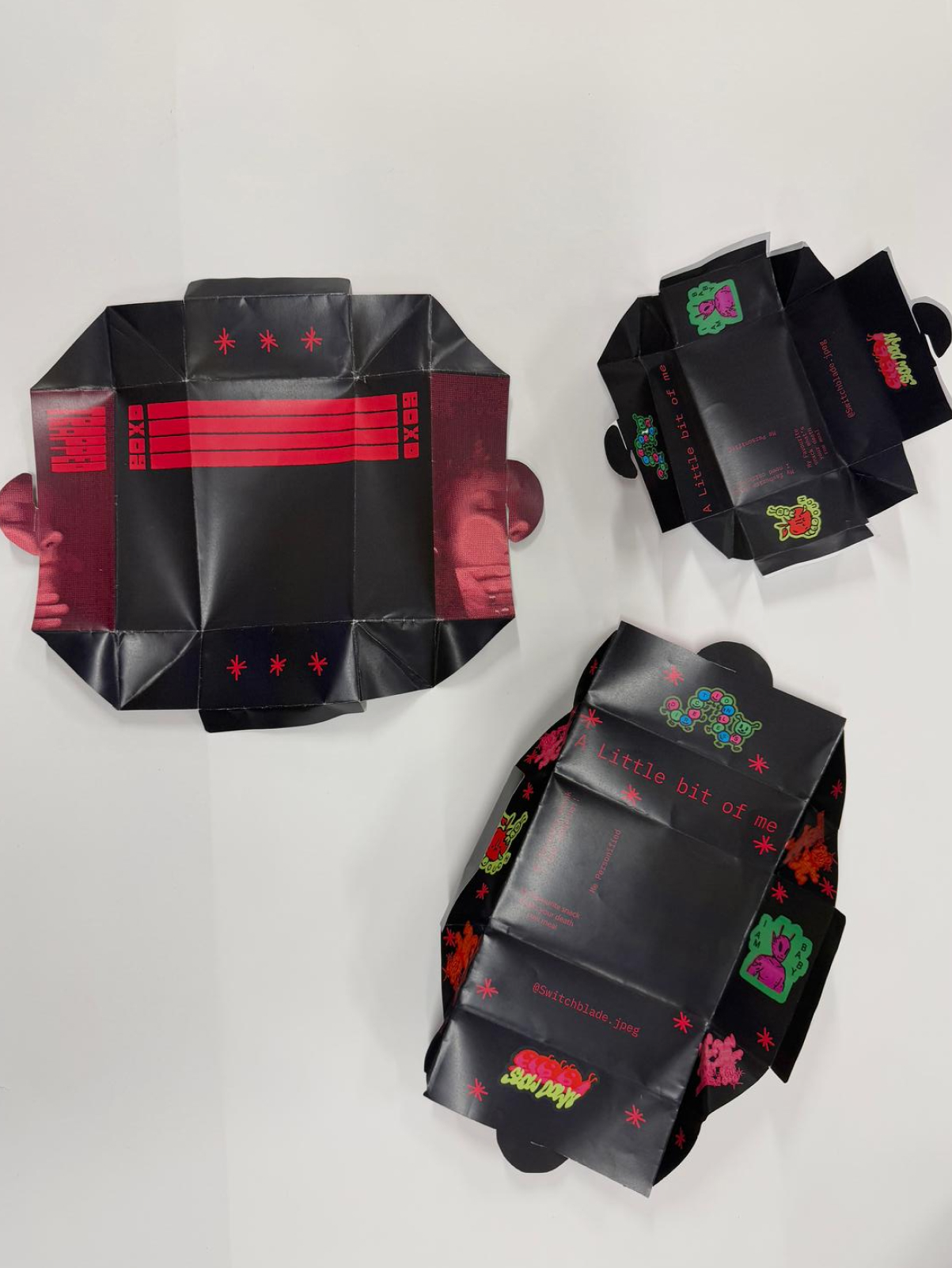
Before ideation, group discussions established working definitions for the brief's more ambiguous terms, including storytelling, distance, scale, and heartfelt communication, grounding the rest of the project in a shared language. Exploratory research drew on academic frameworks including Hall's encoding and decoding theory, used to understand how design choices are reinterpreted by users, and Oldenburg's "third place" theory, used to understand where interpersonal bonds actually form. Icebreaker and board games were playtested to identify which mechanics prompted genuine self-disclosure. Two visual directions, playful and serious, were tested as physical prototype variants, with a fully playful aesthetic ultimately selected after benchmarking brands such as Who Gives a Crap and Anatomicals for tone of voice. A sound-triggered opening mechanic using distance sensors was explored but de-scoped after encountering physical computing component size constraints. Informal feedback from a senior interaction designer at Google confirmed a genuine gap: most companies do not structure relationship-building into onboarding, even with external collaborators, validating the box's core value proposition. The design then moved from a generic user to a named, interviewed freelance designer, with the box redesigned around her identity, including her art style, her preferred snacks, and a face-scan cover image. The fold and closure mechanism was paper-prototyped before the final version was produced on 300gsm card.

Outcome

A validated onboarding concept that reframes relationship-building as part of the workshop experience rather than an afterthought, supported by expert review and grounded in a real end user's identity and working context. The project demonstrates the ability to move from ambiguous, open-ended briefs to a tested physical artefact, balancing conceptual research with hands-on prototyping and material constraints.

No items found.
Use this form to describe your project
Thank you! Your submission has been received!
Oops! Something went wrong while submitting the form.